Fed Rate Hike Expected in December, Futures Markets Signal
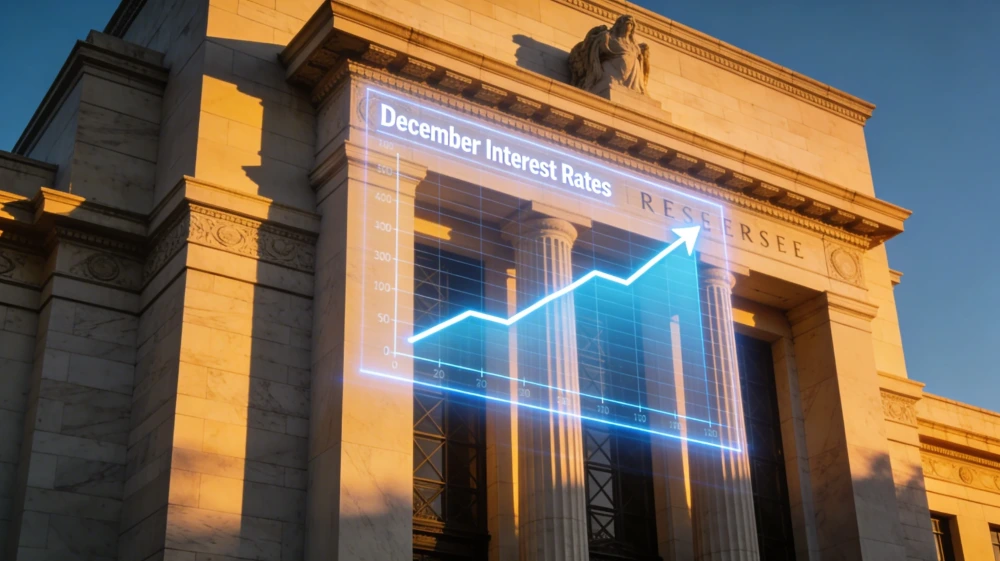
Short-term interest rate futures markets have undergone a dramatic repricing, now signaling that investors expect the Federal Reserve to raise interest rates at its December meeting. This marks a significant reversal from earlier this year when markets were overwhelmingly pricing in rate cuts, reflecting a fundamental shift in the outlook for U.S. monetary policy .
From Rate Cuts to Rate Hikes: A 180-Degree Turn
As recently as January 2026, futures markets were pricing in four rate cuts for the year, with the first reduction expected as early as March. However, persistent inflation and resilient economic data have forced a complete reassessment. The probability of a December rate hike has now surged, with some contracts showing a greater than 60% implied probability of a 25-basis-point increase, according to CME FedWatch data and Bloomberg terminal analysis .
The shift has been particularly pronounced in the last two weeks, following the release of stronger-than-expected jobs data and the latest Consumer Price Index (CPI) report, which showed inflation remaining above the Fed’s 2% target .
What’s Driving the Repricing?
Several key factors have converged to alter the market’s expectations for Fed policy:
1. Stubborn Inflation: The February CPI report showed core inflation rising at an annualized pace of 3.2%, well above the Fed’s target. Services inflation, particularly in housing and transportation, remains elevated, suggesting that the last mile of disinflation is proving more difficult than anticipated .
2. Strong Labor Market: February’s non-farm payrolls report showed the U.S. economy adding 275,000 jobs, far exceeding forecasts. The unemployment rate held steady at 3.8%, while wage growth accelerated to 4.5% year-over-year, signaling persistent wage pressures that could feed into inflation .
3. Resilient Consumer Spending: Retail sales data for February surprised to the upside, rising 0.8% month-over-month, indicating that the American consumer remains robust despite higher borrowing costs. This spending resilience gives the Fed room to maintain or even tighten policy further .
4. Fed Communications: Recent speeches from Federal Reserve officials, including Chair Jerome Powell, have struck a hawkish tone. Powell’s congressional testimony last week emphasized that the Fed is “not in a hurry” to cut rates and that further tightening remains on the table if inflation progress stalls .
December FOMC Meeting Now in Focus
The December 15-16 Federal Open Market Committee (FOMC) meeting has become the focal point for rate hike expectations. According to futures market pricing, the implied probability of a 25-basis-point rate hike at that meeting currently stands at approximately 65%, up from just 15% a month ago .
Some analysts are even suggesting the possibility of a rate hike as early as September or November, though December remains the consensus expectation at this stage. The path beyond December remains uncertain, with futures markets showing a range of outcomes for 2027 .
Market Implications
The dramatic shift in rate expectations has already rippled through financial markets:
Bond Markets: The yield on the 10-year Treasury note surged to 4.33%, its highest level since August 2025, as investors priced in a more hawkish Fed path. Shorter-term yields, which are more sensitive to policy expectations, have risen even more sharply, with the 2-year yield climbing above 4.10% .
Equity Markets: Stock indices have experienced increased volatility, with growth stocks and technology shares particularly sensitive to the higher-for-longer interest rate narrative. The S&P 500 has given up some of its 2026 gains as valuations adjust to the new rate environment .
Cryptocurrency Markets: Bitcoin and other digital assets, which have shown sensitivity to macro liquidity conditions, have faced headwinds. The prospect of tighter monetary policy typically reduces risk appetite and pressures speculative assets .
U.S. Dollar: The dollar index (DXY) has strengthened against major currencies, reflecting the widening interest rate differential between the U.S. and other developed economies .
What to Watch Next
Investors will be closely monitoring several upcoming data releases and events that could further shape Fed expectations:
– March PCE Inflation Data: Due April 15, this is the Fed’s preferred inflation gauge
– March Jobs Report: Scheduled for April 3, will provide the next read on labor market conditions
– April FOMC Meeting: While no rate move is expected, the post-meeting statement and Chair Powell’s press conference will be parsed for policy clues
– Quarterly Fed Projections: The June FOMC meeting will include updated Summary of Economic Projections (SEP) showing policymakers’ rate expectations
As the December meeting approaches, futures markets will continue to adjust based on incoming data and Fed communications. The path to December remains data-dependent, and any signs of cooling inflation or weakening labor markets could quickly reverse the current rate-hike expectations .
Sources: CME FedWatch, Bloomberg, Reuters, Wall Street Journal, Federal Reserve, U.S. Bureau of Labor Statistics.
Disclaimer: This content is for market information purposes only and is not investment advice. Futures trading involves significant risk and may not be suitable for all investors.